
In industrial sectors such as petroleum, chemical, and energy, high-temperature environments pose multiple challenges to the sealing performance of pumps and valves. When the medium temperature exceeds 200°C, ordinary rubber seals are prone to hardening and cracking, leading to seal failure. Metal seals, on the other hand, may experience changes in fitting clearance due to differences in thermal expansion coefficients, resulting in leaks or equipment failures. Taking the catalytic cracking unit in a refinery as an example, seals need to operate for extended periods in high-temperature environments of 300–500°C. Therefore, comprehensive consideration of factors such as peak temperature, duration, and medium characteristics is essential during selection.
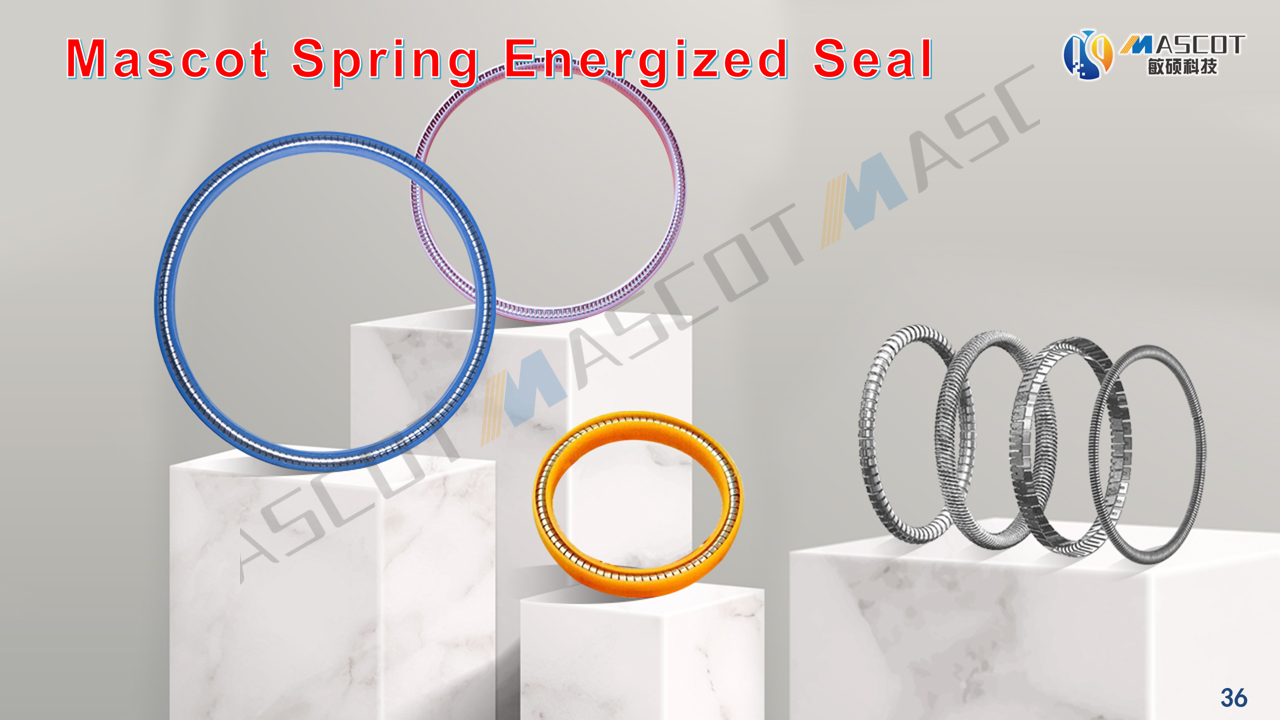
Selection of High-Temperature Resistant Seal Materials
Depending on the specific working conditions, the following types of high-performance seal materials can be selected:
Flexible graphite materials offer a wide temperature adaptation range (-200°C to 450°C) and are particularly suitable for high-temperature applications such as steam valves.
Silicon carbide materials, known for their high hardness and excellent thermal conductivity, are commonly used for mechanical seal rings in high-temperature and high-pressure pumps.
Polytetrafluoroethylene (PTFE) composite materials, enhanced with additives such as glass fiber or carbon fiber, can improve temperature resistance to around 260°C while maintaining stable chemical inertness and a low friction coefficient.
Polyether ether ketone (PEEK), as a high-performance engineering plastic, can withstand long-term use at temperatures above 250°C while offering good mechanical strength, dimensional stability, and chemical corrosion resistance.
Analysis of Practical Application Results
Through proper material selection, the service life of seals can be significantly extended. For instance, a chemical plant upgraded its seals from nitrile rubber to fluororubber, increasing the service cycle from 3 months to 2 years, effectively reducing maintenance costs and downtime risks.
Among the various high-performance materials, polytetrafluoroethylene (PTFE) and polyether ether ketone (PEEK) have become common choices in the field of high-temperature seals. PTFE materials are not only resistant to high temperatures and chemical corrosion but also exhibit a low friction coefficient, making them particularly suitable for dynamic sealing applications. PEEK materials are widely recognized in the industry for their excellent comprehensive properties, including mechanical strength, thermal stability, resistance to creep, and fatigue resistance, making them suitable for various complex working conditions.
Mascot Technology is committed to the research, development, and application of high-performance sealing solutions. Leveraging material modification technologies and seal structure design capabilities, we provide a series of high-temperature seal products based on PTFE and PEEK. These products have been applied in various industries such as refining, pharmaceuticals, and new energy, offering reliable support for customers' production operations. Depending on specific working condition requirements, we can provide personalized technical consultation and product selection advice to help customers choose the most suitable sealing solutions.
For more information on high-temperature sealing solutions, please feel free to contact our technical team. We will provide you with detailed product information and technical support.