
In the stable operation of industrial equipment, sealing rings play the critical role of "leak-proof guardians." The choice of material and hardness directly determines the reliability and service life of the equipment. Faced with complex and variable working conditions, how can you accurately match the performance parameters of sealing rings? With professional expertise and innovative materials, Mascot provides you with a scientific selection solution.
1. Key Factors in Selecting Sealing Ring Materials
The performance of sealing rings directly impacts equipment efficiency and longevity, with material selection being the core factor in determining sealing effectiveness. The following considerations are crucial when choosing sealing ring materials:
1. Chemical Corrosion Resistance
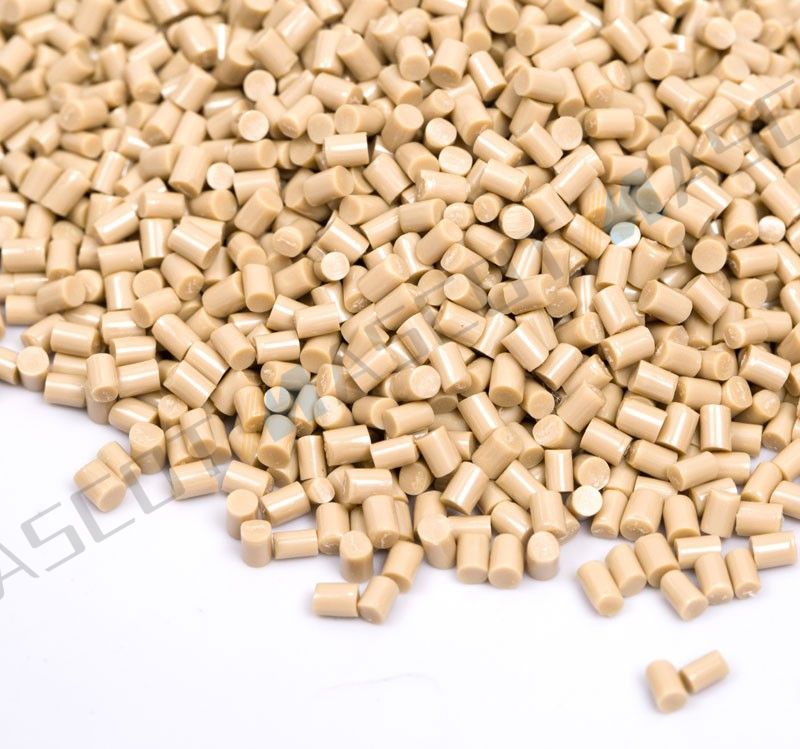
If the sealing ring is exposed to acids, alkalis, oils, or other corrosive media, materials with strong chemical resistance—such as PEEK (Polyether Ether Ketone), PTFE (Polytetrafluoroethylene), or FKM (Fluorocarbon Rubber)—should be selected.
2. Temperature Adaptability
High-temperature environments (e.g., above 260°C): PEEK, PTFE, or metal sealing rings.
Low-temperature environments (e.g., below -50°C): Silicone rubber or specialty fluorocarbon rubber.
3. Wear Resistance & Self-Lubrication
For high-speed or high-friction applications, self-lubricating materials (e.g., PEEK, PTFE) reduce wear and extend service life.
4. Mechanical Strength
High-pressure environments (e.g., hydraulic systems) require high-hardness materials (e.g., PEEK or polyurethane) to prevent deformation or extrusion.
2. Hardness Selection: Balancing Performance is Key
The hardness of a sealing ring must strike a balance between pressure resistance and flexibility. Insufficient hardness may lead to deformation and sealing failure under high pressure, while excessive hardness can cause cracks during installation or accelerate wear on mating surfaces.
Low hardness (50-70 Shore A): Suitable for low-pressure static sealing (e.g., O-rings), offering excellent elasticity and sealing performance.
Medium hardness (70-90 Shore A): Ideal for medium-pressure dynamic sealing (e.g., hydraulic systems), balancing elasticity and wear resistance.
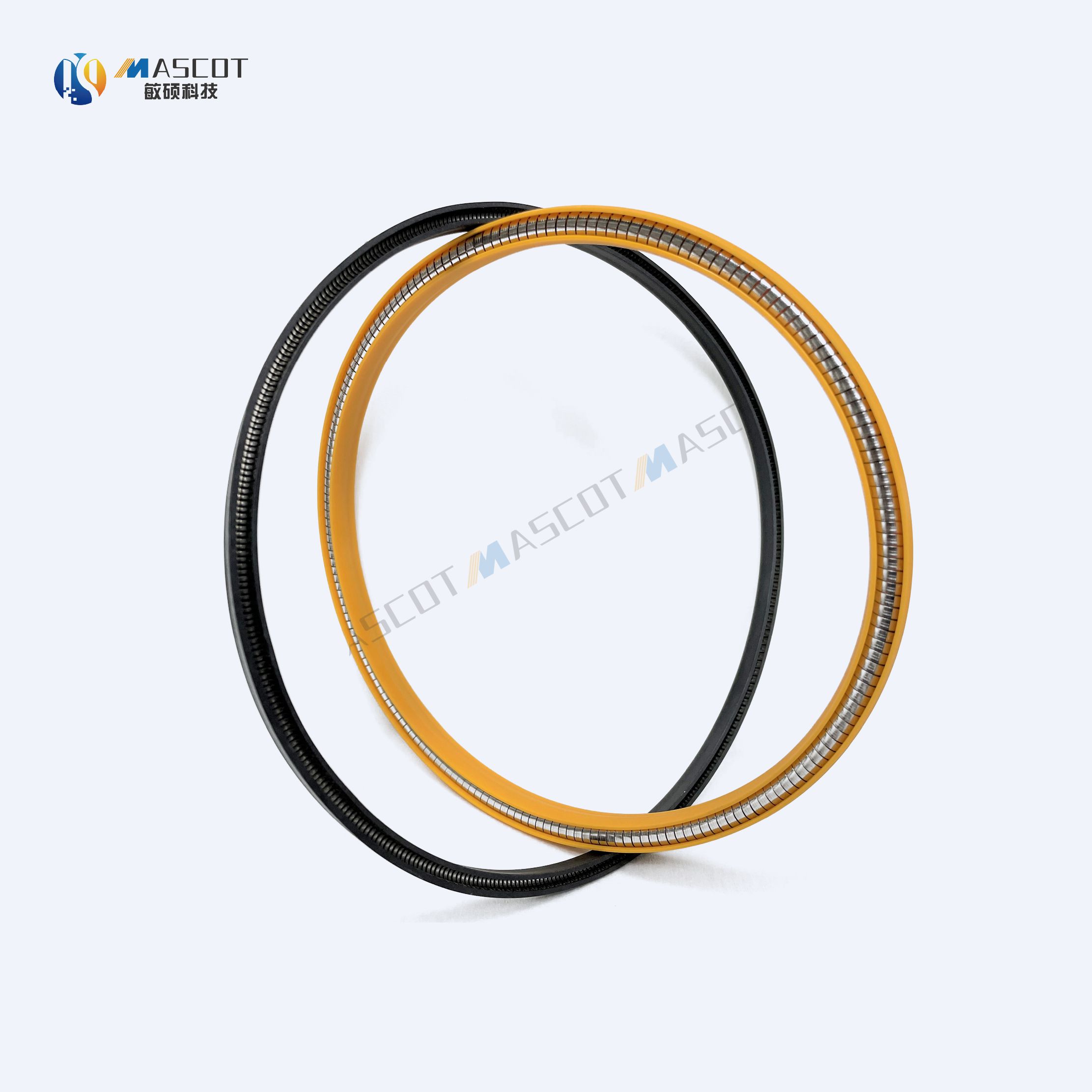
High hardness (90+ Shore A or Shore D): Designed for high-pressure, high-friction environments (e.g., Mascot PEEK sealing rings), with hardness 8 times that of aluminum alloy and exceptional pressure resistance.
3. Mascot PEEK Sealing Rings: The Optimal Solution for Demanding Conditions
Mascot’s PEEK sealing rings deliver outstanding performance for high-end industrial applications:
✅ Withstands extreme temperatures up to 260°C, ideal for aerospace, petrochemical, and other harsh environments.
✅ Self-lubricating & low-friction, minimizing wear and extending service life.
✅ Superior chemical resistance, tolerating strong acids, alkalis, and organic solvents.
✅ Ultra-high hardness (8x aluminum alloy), ensuring pressure resistance and minimal deformation.
✅ Lightweight design (30% lighter than PTFE), perfect for weight-sensitive applications.
Conclusion
Selecting the right sealing ring material and hardness requires a comprehensive evaluation of working conditions, media, temperature, and pressure. Mascot PEEK sealing rings, with their high-temperature resistance, self-lubrication, and extreme hardness, provide the optimal solution for challenging environments.
For customized sealing solutions, contact Mascot’s technical team—we’re here to support your needs!
Mascot Sealing Technology – Committed to High-Performance Sealing, Powering Industrial Innovation!