
Sealing components are an indispensable part of the modern industrial system, and their performance directly impacts equipment reliability, energy efficiency, and safety. Among various sealing solutions, the PTFE O-ring has demonstrated significant application value due to its unique material properties. This article aims to analyze the current application trends of PTFE O-rings and elaborate on their importance in enhancing the level of industrial sealing.
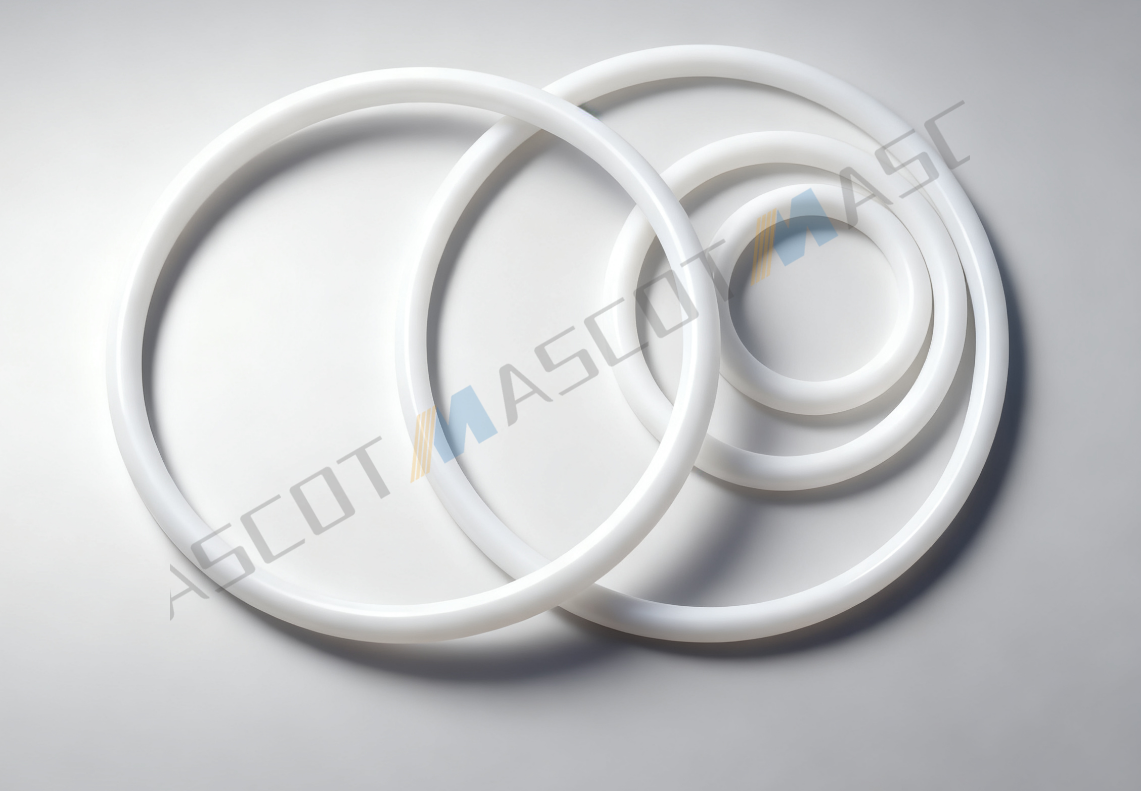
PTFE O-rings are annular seals made primarily from polytetrafluoroethylene (PTFE). They not only inherit the inherent strong corrosion resistance, wide-temperature stability, and extremely low friction coefficient of PTFE but also combine these with the simple structure of O-rings, making them a reliable sealing choice under demanding working conditions. Compared to traditional elastomer O-rings, PTFE O-rings perform more stably in extreme environments.
With continuous advancements in material modification technologies and processing techniques, the application potential of PTFE O-rings is being further unlocked. In industries such as chemical, semiconductor, and power energy, they are often used to seal high-purity, highly corrosive chemical media. Their excellent chemical inertia ensures that the sealing system remains unaffected by media erosion while preventing product contamination, meeting the stringent requirements for cleanliness and reliability in high-end manufacturing.
Furthermore, the adaptability of PTFE O-rings to extreme temperature environments is another highlight. Whether in ultra-low temperature cryogenic conditions or high-temperature environments exceeding 260°C, they maintain good elasticity and sealing performance, effectively avoiding the failure risks associated with traditional rubber materials, such as embrittlement or softening. This makes them critical components in aerospace, high-temperature valves, and other equipment.
In addition to their excellent environmental adaptability, their self-lubricating properties and low friction coefficient also support designs aimed at high energy efficiency and long service life. In equipment such as pneumatic and hydraulic systems, as well as oil-free lubricated compressors, the use of PTFE O-rings helps reduce startup and operational resistance, minimize wear, save energy consumption, extend the working life of the entire sealing system, and lower maintenance frequency and costs.
In summary, with their comprehensive performance advantages, PTFE O-rings are becoming a noteworthy development direction in the field of sealing technology. Their combined performance in chemical corrosion resistance, wide-temperature stability, and friction control enables them to provide a reliable and efficient solution when facing diverse and complex industrial sealing challenges.