
In both industrial production and daily life, a wide variety of springs can be found in different applications. There are many types of springs, with compression springs and extension springs being two of the most common forms. While they share some similarities in structure and function, fundamental differences exist between them. This article will provide a detailed explanation of these differences.
I. Extension Springs
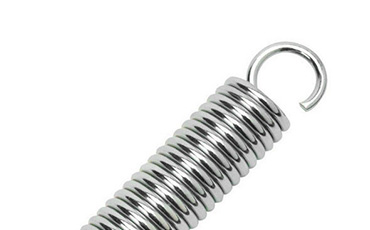
An extension spring is a helical spring designed to withstand axial tensile loads. It is typically made from material with a round cross-section. When unloaded, the coils of an extension spring are generally close-wound, with little to no gap between them.
II. Compression Springs
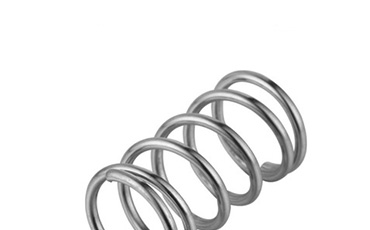
A compression spring is designed to resist axial compressive forces. The material cross-section is mostly round, but rectangular or those made from multiple strands of wire also exist. These springs usually have a constant pitch. Common shapes include cylindrical, conical, convex (barrel), concave (hourglass), and occasionally non-circular designs. Compression springs typically have gaps between the coils. When an external load is applied, the spring contracts and deforms, storing energy.
Looking for high-quality, precision compression and extension springs? Mascot Spring is your trusted partner. With two decades of experience, we specialize in the R&D and manufacturing of various springs, implementing strict quality control in every process to ensure stable performance and long service life. Whether you need custom designs or bulk purchases, Mascot Spring provides professional solutions. Contact us today for expert technical support and premium service tailored to your spring application needs!