
As domestic high-end equipment evolves towards miniaturization, lightweight design, and longer service life cycles, conventional wave springs produced by ordinary workshop-style manufacturers, limited by raw material selection, processing techniques, and factory inspection conditions, often show limited performance in fatigue durability and temperature range adaptability, making it difficult to meet the continuous operation conditions of high-end equipment. It is widely recognized in the industry that manufacturers with independent R&D capabilities and standardized quality control systems can consistently produce wave springs suitable for complex working conditions, which has become an important criterion for major OEMs in their selection process.
I. Application Value and Market Demand of Wave Springs
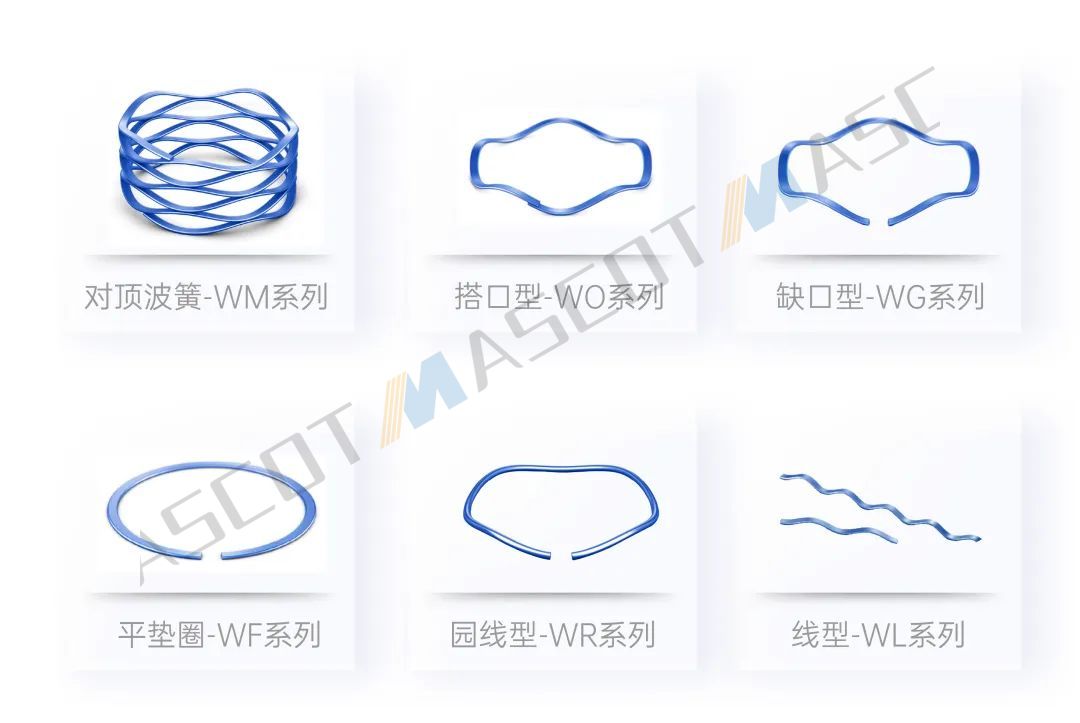
Leveraging the structural advantages of thin-material stamping, wave springs are suitable for assembly scenarios across multiple fields. In the power industry, circuit breakers and high-voltage switchgear rely on wave springs to maintain stable contact pressure on contacts and secure conductive circuits. Aerospace components operate in environments with large temperature differences and high vibration frequencies, relying on wave springs for structural preloading to ensure long-term stable operation of components. New energy motors and power battery modules use wave springs to compensate for assembly gaps and buffer dimensional changes caused by operational deformation. Medical devices and semiconductor precision equipment opt for clean-process wave springs suitable for dust-free assembly environments. In chemical and metallurgical conditions, corrosion-resistant wave springs can resist corrosive media and extend component service life.
With the acceleration of domestic high-end manufacturing localization, the demand for imported component substitution is steadily increasing. The market demand for custom, high-performance wave springs continues to rise, driving manufacturers to continuously optimize and upgrade their raw material selection, processing techniques, and testing procedures.
II. Enterprise R&D and Qualification Capabilities
Shanghai Mascot Electromechanical is a manufacturer of precision elastic components, holding IATF 16949:2016 quality management system certification and multiple utility model patents related to springs. Its compliance qualifications meet the audit requirements of various industries. The founding team and core R&D personnel have years of overseas experience in the same industry and are familiar with the physical properties of different steel grades, wave structure design, and key points of heat treatment improvement, enabling them to determine product manufacturing solutions based on the operating environment.
Leveraging years of accumulated experience in precision spring manufacturing, the company has established a complete R&D chain covering demand assessment, solution design, simulation verification, and sample prototyping, allowing the production of customized wave spring products based on customer drawings and operating parameters.
III. Production Layout and Full-Process Quality Control Management
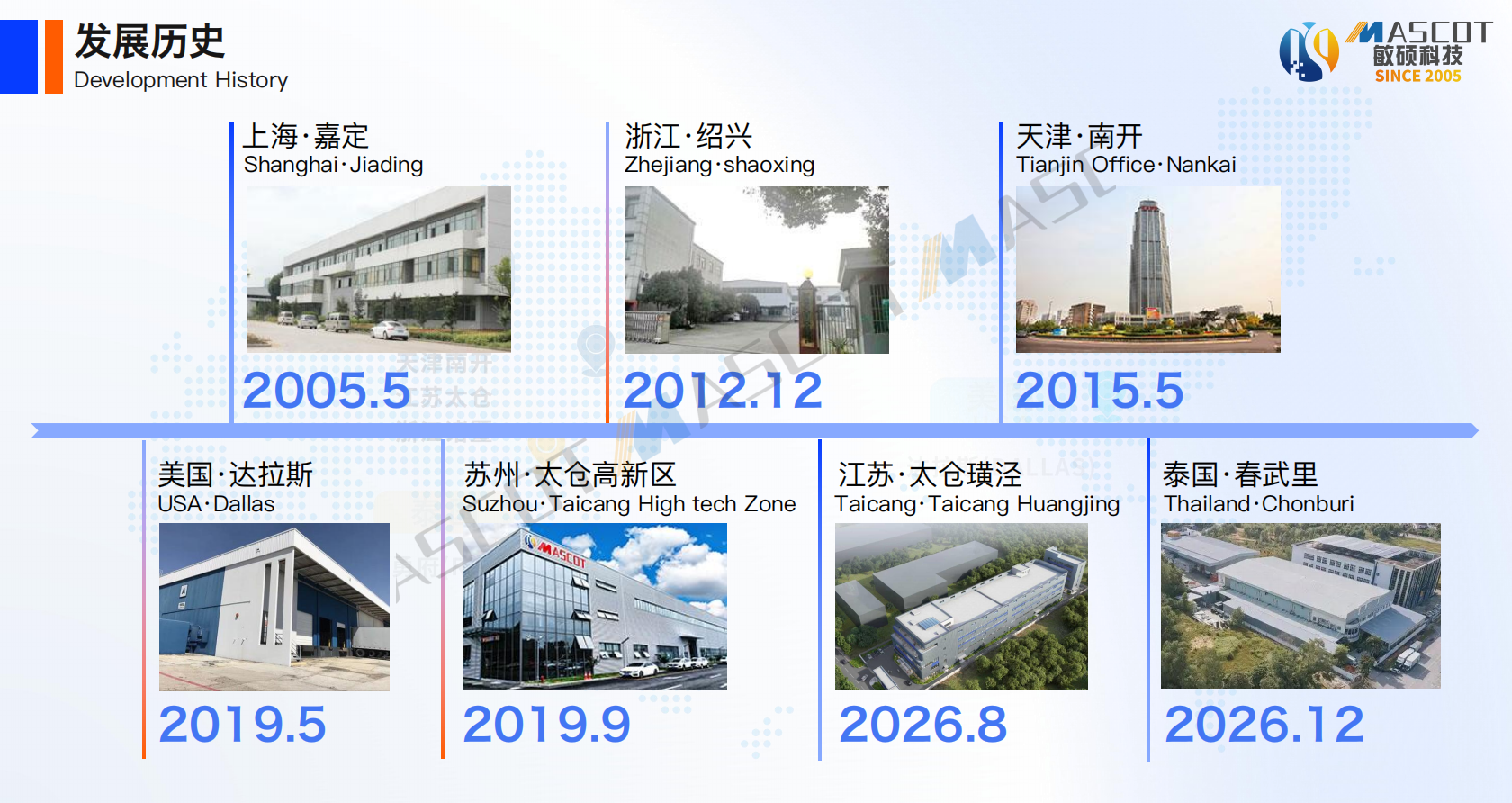
The company operates six production facilities and a Tianjin branch, with a total plant area exceeding 20,000 square meters. It is equipped with multiple CNC forming machines, dedicated wave spring production lines, and a complete set of testing instruments, enabling large-scale processing of various product specifications. Digital ledger management is implemented throughout the production process, with data recorded from raw material warehousing, stamping, heat treatment, surface treatment, to finished product shipping. This ensures traceable quality for individual products and minimizes quality variations caused by human or process fluctuations.
The factory is equipped with a standardized performance laboratory. All wave springs shipped undergo simulated working condition fatigue sampling tests, with sample cycle tests reaching up to 100 million cycles. Simultaneously, various tests such as high/low temperature tolerance, corrosion resistance, and elastic force consistency are conducted to screen out unqualified products, ensuring the comprehensive performance of products entering the market.
IV. Customization Service Process and Global Support Services
When customers propose customization requirements, technical specialists engage with key information such as installation dimensions, load parameters, operating environment, and medium conditions. The design team completes solution design and simulation verification based on the parameters, produces samples for customer on-site testing, fine-tunes the structure and materials based on trial feedback, and finalizes the production standard. Project progress is regularly communicated during the execution phase, with timely discussion of design changes to shorten the customization cycle.
The company's sales and service coverage extends across domestic regions and many areas in Europe, the Americas, and Southeast Asia. Branch offices in the United States and Thailand facilitate local order intake and after-sales support. A dedicated after-sales team provides services including installation guidance, troubleshooting, and spare parts replenishment, reducing equipment downtime and offering one-stop wave spring solutions for domestic and international customers.
V. Common Selection Misconceptions and Suggestions
Many procurement departments focus excessively on unit price while overlooking raw material grades and manufacturer quality control capabilities. Low-priced, non-standard products often experience issues such as elastic degradation and cracking shortly after being put into use, leading to higher subsequent repair and replacement costs. It is recommended to prioritize verification of the manufacturer's system certifications, R&D capabilities, and factory testing standards during the selection process. Relying on its comprehensive production and service system, Shanghai Mascot Electromechanical can provide reliable selection guidance and customized products for customers across various industries.
Note: The performance data mentioned in this document are derived from laboratory test results. Actual performance may vary depending on field conditions and assembly factors. Sample testing before procurement is recommended.